Off the Grid: F1 Drivers Spotted at Fashion Weeks, Music Festivals, and Art Openings
Lewis Hamilton at a Dior atelier, Charles Leclerc at Cannes, Max Verstappen courtside at the US Open — Formula 1's biggest stars are increasingly defining culture far beyond the racetrack.
The transformation of Formula 1 into a global cultural phenomenon has been one of the defining stories of the past decade — and nowhere is that transformation more visible than in the off-track lives of its drivers.
Lewis Hamilton has been the trailblazer. His Met Gala appearances, his front-row presence at Valentino, Dior, and Burberry shows — Hamilton has built a cultural presence that rivals the biggest names in entertainment.
Charles Leclerc's relationship with Ferrari extends far beyond the racetrack. The Monégasque driver has become a fixture at Cannes, at Milan Fashion Week, and his new L'Oréal Paris ambassadorship positions him as a luxury brand ambassador of the highest order.
Max Verstappen's appearance courtside at the US Open last September — seated next to Messi — was a moment that captured the new reality of F1's cultural reach.
For brands seeking to reach the most affluent, globally mobile, culturally engaged audience in the world, F1 drivers represent an extraordinary opportunity.
Original Source
This story was originally reported by Apex Culture. Apex Culture presents this coverage as part of our editorial curation service. All rights belong to the original publisher.
Read Original on Apex Culture →
Built for the Grid. Worn Beyond It.
Explore the Collection →Sponsored · Advertising
More in Motorsport
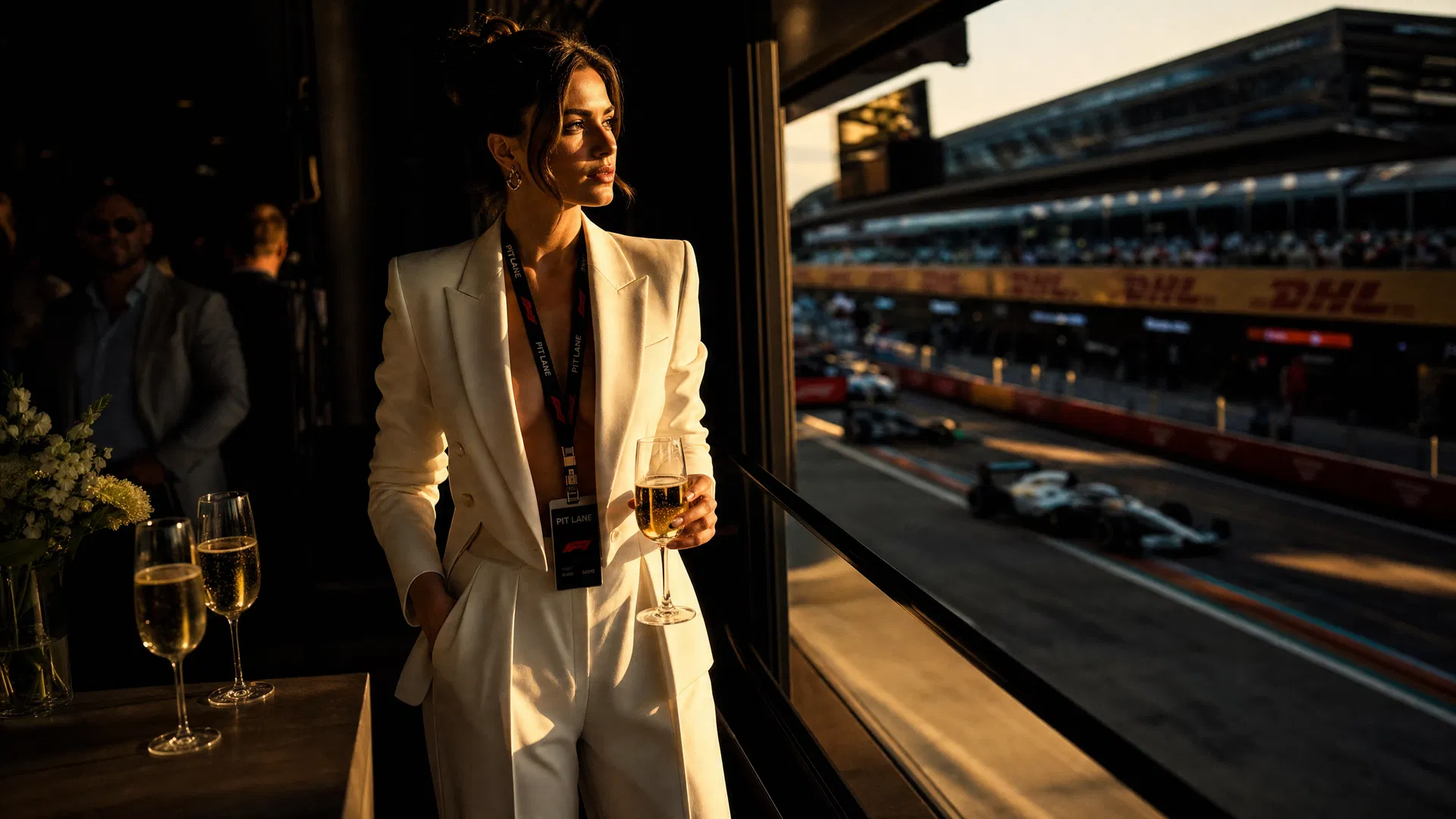
Inside F1 Miami's Star-Studded Soirées, Paddock Suites, and Pop-Ups
May 7, 2026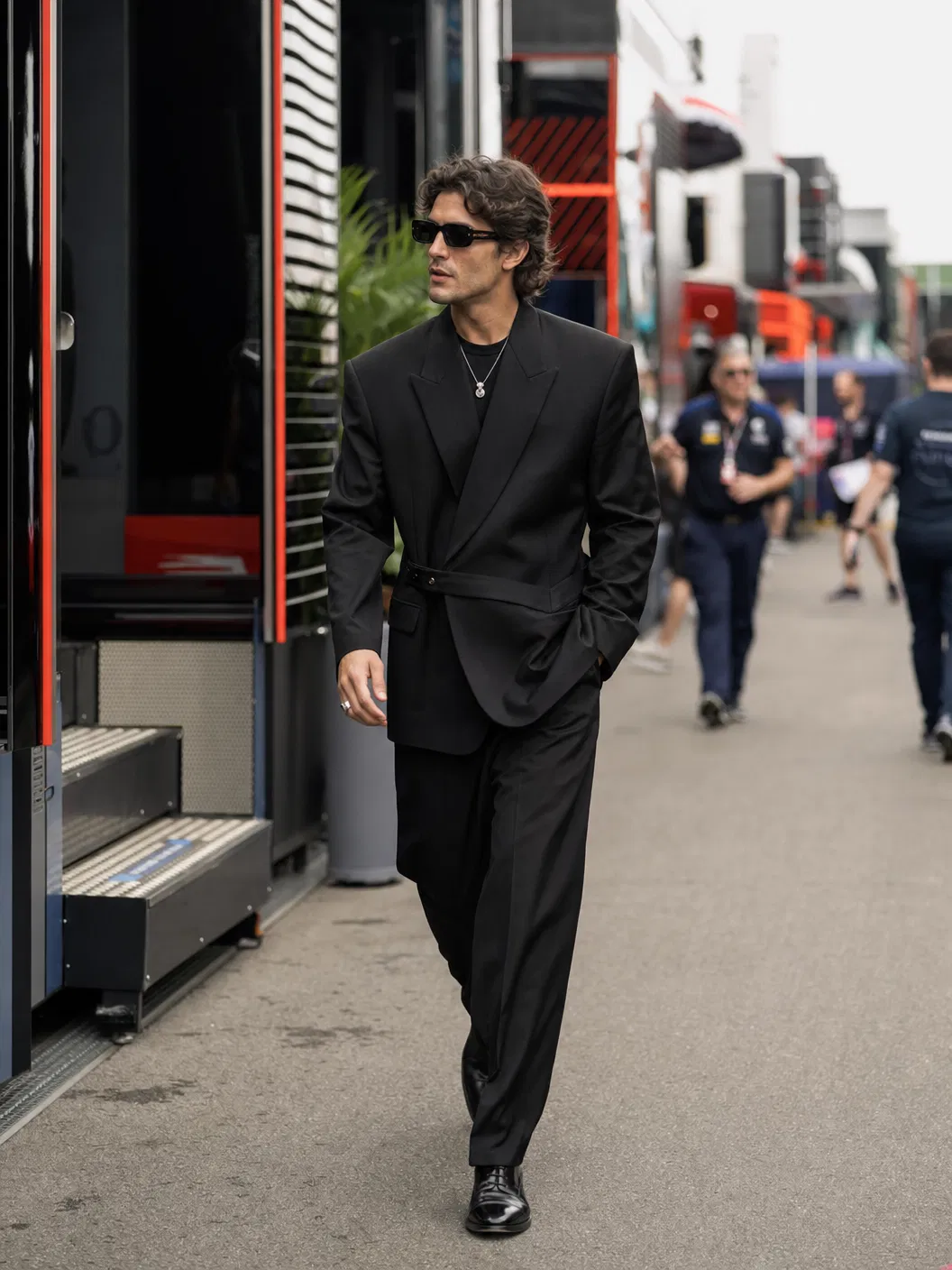
Lewis Hamilton Wore Saint Laurent in the Miami Paddock — and the Internet Lost Its Mind
May 5, 2026
Charles Leclerc Named L'Oréal Paris Global Ambassador — The Biggest F1 Beauty Deal in History
April 28, 2026Related Stories
Inside F1 Miami's Star-Studded Soirées, Paddock Suites, and Pop-Ups
Formula 1 Miami was once again a convergence of pop culture, sports, and entertainment — bringing together tastemakers, motorsport enthusiasts, and familiar fashion faces for a social calendar that rivaled the race itself.
Lewis Hamilton Wore Saint Laurent in the Miami Paddock — and the Internet Lost Its Mind
Hamilton's off-the-runway Saint Laurent Spring 2026 look at the Miami Grand Prix was the most talked-about fashion moment of the race weekend — cementing his status as F1's undisputed style icon.
Charles Leclerc Named L'Oréal Paris Global Ambassador — The Biggest F1 Beauty Deal in History
Ferrari's Charles Leclerc has been named global ambassador for L'Oréal Paris, marking the most significant crossover between Formula 1 and the beauty industry to date.